Build a Privacy-First Email Strategy
Build a Privacy-First Email Strategy
Email has become so deeply woven into our daily lives that most of us rarely stop to think about it. We use it to create accounts, receive receipts, communicate with friends, manage subscriptions, reset passwords, and sign into countless online services. In many ways, an email address has become our digital passport.
The problem is that most people treat their email address as if it were unlimited. They hand it out to every website, app, newsletter, giveaway, and free trial without much thought. It feels harmless in the moment. After all, what's the worst that could happen?
A few years later, the answer becomes obvious.
Your inbox is overflowing with promotional emails. Companies you've never heard of somehow have your contact information. Spam arrives daily. Password reset requests appear from services you don't remember joining. And if one of those websites experiences a data breach, your email address becomes part of a much larger privacy problem.
This is where a privacy-first email strategy comes in.
A privacy-first email strategy isn't about becoming anonymous or avoiding the internet altogether. It's about using email intentionally. Instead of giving every website the same email address, you create a system that protects your privacy, reduces unnecessary exposure, and gives you more control over your online identity.
The good news is that you don't need to be a cybersecurity expert to do it. In fact, most of the best privacy practices are surprisingly simple.
Let's explore how you can build a smarter relationship with email and make privacy a natural part of your online habits.
Why Your Email Address Is More Valuable Than You Think
Many people think of an email address as just a communication tool. Businesses see something much bigger.
Your email address is one of the most persistent pieces of personal information you own. Unlike social media accounts that come and go, people often keep the same primary email for years or even decades. That consistency makes it extremely valuable.
Every time you use the same email address to register for a service, you create another connection between your identity and an online platform. Over time, those connections add up. Shopping websites, social networks, productivity tools, streaming services, online forums, and newsletters all become linked to the same digital identifier.
Imagine walking through a city and leaving your name and contact information at every building you enter. Eventually, dozens or even hundreds of organizations would know exactly where you've been. The internet works in a similar way.
Companies use email addresses to communicate with users, but they also use them to organize customer records, personalize marketing campaigns, analyze user behavior, and build long-term customer relationships.
None of this is inherently bad. Businesses need ways to serve customers effectively. However, many people don't realize how much information can become associated with a single email address over time.
A privacy-first email strategy starts with understanding that your email isn't just a mailbox. It's part of your digital identity.
Stop Using One Email Address for Everything
One of the biggest mistakes people make is relying on a single email account for every online activity.
It's convenient. It's easy to remember. But from a privacy perspective, it's not ideal.
Think about your physical life for a moment. You probably don't use one key for every lock you own. Your house key, car key, office key, and mailbox key serve different purposes.
Email works best when approached in a similar way.
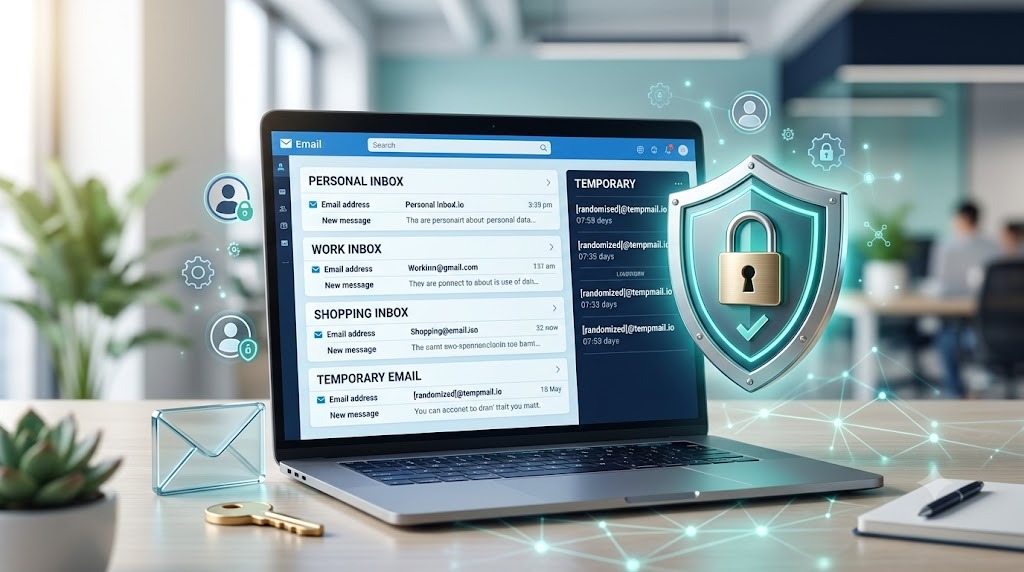
A privacy-first email strategy often involves separating different parts of your online life. Instead of using one email address everywhere, consider assigning specific email accounts to different categories.
For example:
- One email for personal communication
- One email for banking and financial accounts
- One email for shopping websites
- One email for work-related activities
- One email for newsletters and subscriptions
- Temporary emails for one-time registrations
This approach creates boundaries.
If a shopping website experiences a data breach, your financial accounts remain isolated. If your newsletter email becomes flooded with marketing messages, your personal inbox remains unaffected.
Many people are surprised by how much calmer and more organized their online experience becomes after making this simple change.
You don't need ten email accounts. Even separating your primary email from your subscription email can significantly improve both privacy and inbox management.
Be Selective About Where You Share Your Email
One of the easiest privacy improvements anyone can make is becoming more intentional before entering an email address.
We've all encountered those moments. You're reading an article and suddenly a popup appears asking for your email. A website offers a discount code in exchange for signing up. A free download requires registration.
Most people enter their email almost automatically.
A privacy-first email strategy encourages a different mindset.
Before sharing your email, ask yourself a few simple questions:
- Do I trust this website?
- Will I actually use this service?
- Is the benefit worth sharing my information?
- Does the website have a clear privacy policy?
- Am I comfortable receiving future communications?
These questions don't require technical expertise. They simply encourage awareness.
Consider the difference between signing up for a respected educational platform you plan to use regularly and entering your email into a random website offering a free PDF. The value exchange is very different.
Being selective doesn't mean saying no to everything. It means understanding that every signup creates a new connection between your email address and another database.
Over time, those decisions have a cumulative effect on your privacy.
Use Temporary Emails Strategically
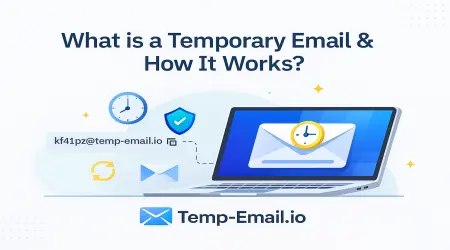
One of the most useful tools in a privacy-first email strategy is the temporary email address.
Temporary emails are designed for situations where you need an email address briefly but don't necessarily want to share your primary account.
Think about all the times you've needed to register for something once.
Maybe you wanted to download a whitepaper. Maybe you were testing a new application. Perhaps you needed access to a webinar, a discussion forum, or a one-time promotion.
In many of these situations, you're not building a long-term relationship with the website. You're simply completing a short interaction.
Using a temporary email can help reduce unnecessary exposure while keeping your primary inbox cleaner.
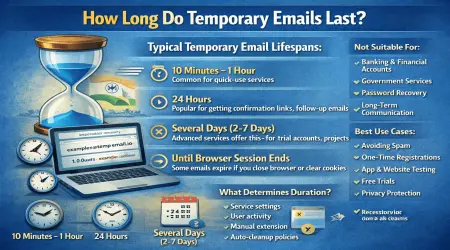
This doesn't mean temporary emails should be used everywhere. Important accounts such as banking services, healthcare portals, government services, and long-term subscriptions should always use email addresses you control permanently.
The goal is not secrecy. The goal is separation.
By reserving your primary email for genuinely important accounts and using temporary options for low-risk interactions, you reduce the number of places where your personal email is stored.
Over time, this can significantly reduce spam, marketing clutter, and privacy risks.
Build Better Security Habits Around Email
Privacy and security are closely connected.
Even the most carefully planned email strategy can fall apart if the accounts themselves aren't properly protected.
One of the most important habits is using strong, unique passwords for email accounts. Many people understand this advice but continue reusing passwords across multiple websites.
The problem is simple. If one website experiences a breach and you've reused the same password elsewhere, attackers may attempt to access additional accounts.
Password managers can help solve this issue by generating and storing unique passwords for each service.
Two-factor authentication adds another layer of protection. Even if someone obtains your password, they still need access to the second verification step.
A privacy-first email strategy should also include regular account reviews.
Take a few minutes every few months to examine:
- Old accounts you no longer use
- Unnecessary newsletter subscriptions
- Connected third-party applications
- Account recovery settings
- Security notifications
Many people discover forgotten accounts they haven't accessed in years.
Those abandoned accounts may still contain personal information, making periodic reviews worthwhile.
Privacy isn't a one-time task. It's an ongoing process of reducing unnecessary exposure while maintaining control over your information.
Think Long-Term About Your Digital Footprint
One of the most overlooked aspects of email privacy is time.
Most online interactions feel temporary. You sign up for a website today and forget about it next week.
The website, however, may not forget about you.
Your email address can remain in databases for years. Even if you stop using a service, your information may continue to exist in backups, archives, customer records, or marketing systems.
This is why a privacy-first email strategy should be viewed as a long-term habit rather than a short-term solution.
Every signup creates a small digital footprint. One footprint isn't significant. Hundreds of them accumulated over years tell a different story.
Imagine someone who has used the same email address since college. Over fifteen years, that address might have been shared with online stores, forums, travel websites, mobile apps, streaming services, gaming platforms, newsletters, and social networks.
That's a tremendous amount of exposure tied to a single identifier.
A privacy-first approach recognizes this reality and aims to reduce unnecessary growth.
It doesn't require perfection. It simply encourages thoughtful decisions.
The internet rewards convenience, and convenience often encourages oversharing. A privacy-first mindset helps restore balance by making information sharing more intentional.
Conclusion
Creating a privacy-first email strategy isn't about becoming paranoid or disconnecting from the digital world. It's about recognizing that your email address is one of the most important pieces of your online identity and treating it accordingly.
The good news is that meaningful improvements don't require advanced technical skills. Small changes can have a significant impact. Separating email accounts by purpose, being selective about signups, using temporary emails when appropriate, strengthening account security, and thinking long-term about your digital footprint can dramatically improve both privacy and peace of mind.
The internet isn't becoming less connected. If anything, our digital lives continue to expand every year. That makes personal privacy more valuable than ever.
A privacy-first email strategy gives you greater control over how and where your information is shared. It helps reduce spam, limit unnecessary exposure, and create healthier online habits that will serve you well in the future.
Start small. Review how you're using your email today and identify one change you can make this week. Over time, those small decisions can lead to a safer, cleaner, and more private digital life.
What steps have you taken to protect your email privacy? Share your thoughts, experiences, or tips in the comments, and don't forget to share this article with anyone looking to take control of their digital footprint.