Phishing Risks and How Temporary Email Helps
Phishing attacks are one of the most dangerous and common online threats today. Every day, millions of fake emails are sent pretending to be banks, companies, or trusted services—all with one goal: to steal your personal information.
Many phishing attacks succeed simply because attackers get access to real email addresses.
This is where temporary email can play an important role.
In this article, we’ll explain what phishing risks are, how they work, and how temporary email helps reduce phishing threats, especially when using services like temp-email.io.
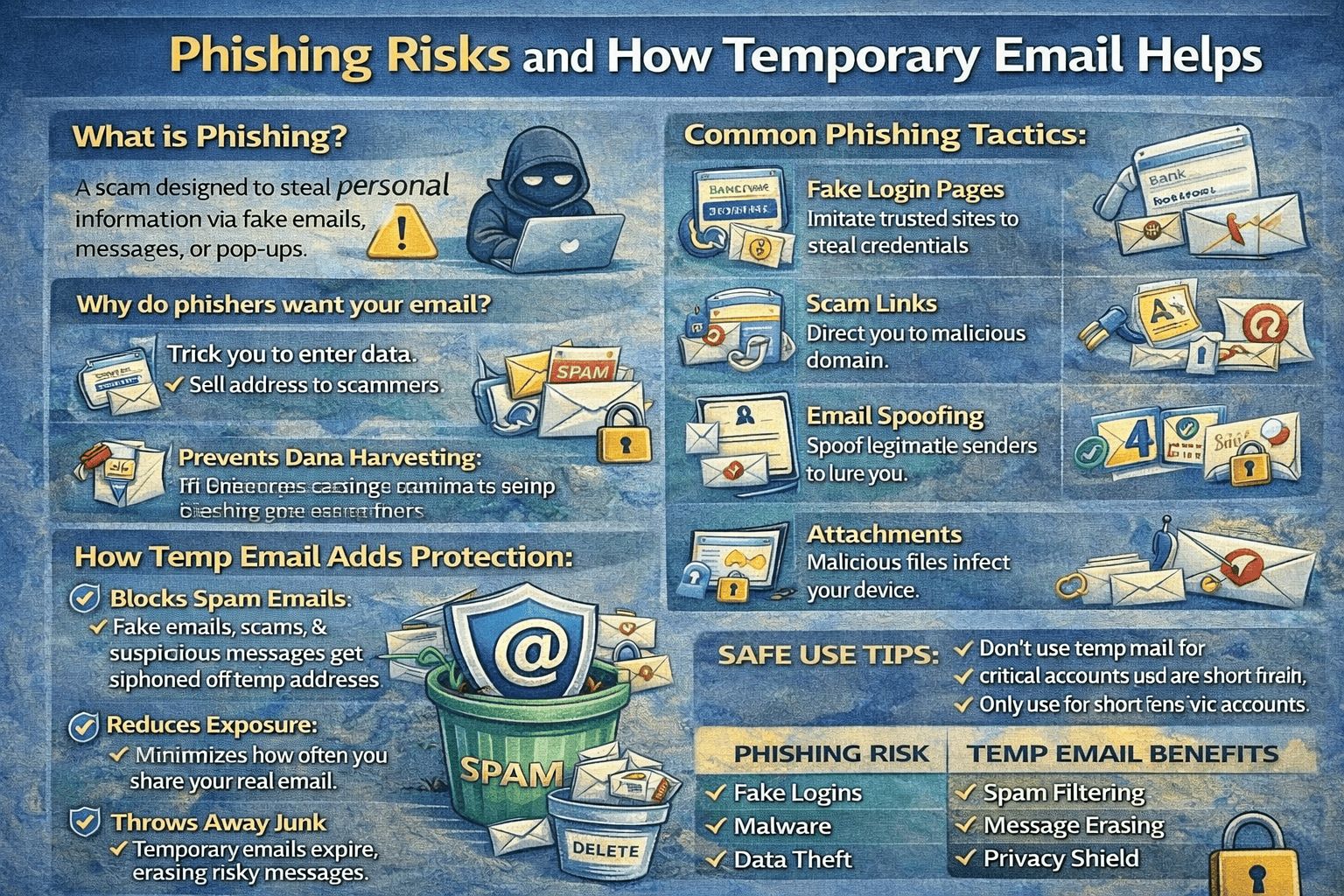
What Is Phishing?
Phishing is a type of cyberattack where attackers send fake emails that look legitimate. These emails try to trick users into:
Clicking malicious links
Entering login credentials
Sharing personal or financial information
Downloading harmful files
Phishing emails often pretend to come from:
Banks
Payment services
Social media platforms
Online stores
Government agencies
Why Email Is a Major Phishing Target
Email is the most common attack channel because:
Email addresses are easy to collect
Many people reuse the same email everywhere
Data breaches expose millions of emails
Spam lists are shared and sold
Once your real email address is exposed, phishing attempts can continue for years.
How Temporary Email Helps Reduce Phishing Risks
Temporary email does not eliminate phishing completely—but it significantly reduces your exposure.
1. Keeps Your Real Email Address Hidden
The biggest phishing risk comes from exposing your personal email.
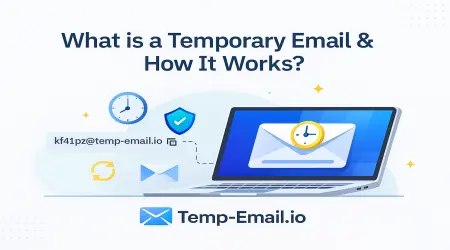
When you use temp-email.io:
Websites never see your real email
Phishing emails go to a disposable inbox
Your personal inbox stays protected
Even if attackers target the temporary address, it expires and disappears.
👉 Learn how this works technically:
How Temporary Email Works Behind the Scenes
(internal link suggestion: /how-temporary-email-works)
2. Limits Long-Term Phishing Attempts
Phishing campaigns often continue long after signup.
Temporary email reduces this risk because:
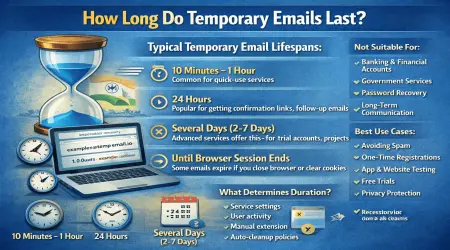
Inboxes expire automatically
Old email addresses stop working
Attackers can’t reuse the address later
👉 Learn more about inbox duration:
How Long Do Temporary Emails Last?
(internal link suggestion: /temporary-email-lifetime)
3. Reduces Exposure from Data Breaches
When websites are hacked, email addresses are often leaked.
Using a temporary email:
Prevents your real email from being exposed
Limits phishing from leaked databases
Stops attackers from targeting you long-term
Even if a disposable email is leaked, it becomes useless after expiration.
4. Protects Against Fake Signup Traps
Some phishing campaigns start with fake websites that exist only to collect emails.
Temporary email helps by:
Acting as a buffer
Preventing attackers from getting your real inbox
Blocking long-term follow-up attacks
👉 Read more about spam and abuse prevention:
How Disposable Emails Reduce Spam
(internal link suggestion: /disposable-email-reduce-spam)
5. Safer Verification for Low-Risk Sites
Temporary emails can safely receive:
Verification codes
Signup confirmation links
Activation emails
This allows you to complete basic registrations without risking phishing in your personal inbox.
👉 Learn more:
Can Temporary Emails Receive Verification Codes?
(internal link suggestion: /temporary-email-verification-codes)
What Temporary Email Does NOT Protect You From
Temporary email is helpful—but it’s not a complete security solution.
It does NOT protect against:
Fake websites you willingly enter data into
Phishing links you click immediately
IP address tracking
Browser fingerprinting
Security still depends on user awareness.
👉 Learn about safety limits:
Is Temporary Email Safe to Use?
(internal link suggestion: /temporary-email-safety)
When Temporary Email Should NOT Be Used
To avoid serious risk, do not use temporary email for:
Banking
Financial services
Payment accounts
Government portals
Important long-term accounts
👉 Compare clearly:
Temporary Email vs Personal Email: Key Differences
(internal link suggestion: /temporary-email-vs-personal-email)
Best Practices to Avoid Phishing (With or Without Temp Email)
For maximum protection:
Never click suspicious links
Check sender addresses carefully
Avoid downloading unknown attachments
Use temporary email for untrusted sites
Use personal email only for trusted services
👉 Learn proper usage:
When Should You Use Temporary Email?
(internal link suggestion: /when-to-use-temp-email)
Why temp-email.io Helps Reduce Phishing Risks
temp-email.io is designed with safety and privacy in mind:
Instant disposable inbox
No personal data collection
Automatic inbox deletion
No passwords or accounts
Privacy-first design
👉 Try it instantly:
Free Temporary Email Inbox
(internal link suggestion: /)
Final Thoughts
Phishing attacks rely on one thing above all else: access to real email addresses.
Temporary email reduces phishing risks by:
Hiding your real inbox
Limiting long-term exposure
Preventing follow-up attacks
Reducing damage from data breaches
While it’s not a replacement for security awareness, temporary email is a powerful first line of defense.
If you want to browse, sign up, and test services with lower phishing risk, temp-email.io offers a simple and effective solution.