The Privacy Decisions You Make Without Realizing It
Most people think of privacy as something they actively manage.
We imagine privacy decisions happening when we change a social media setting, install security software, or decide whether to share personal information with a website. Those moments feel important because they're obvious. We know we're making a choice.
But here's the interesting thing: many of our most significant privacy decisions happen without us even noticing.
Every day, we click buttons, download apps, create accounts, accept permissions, and browse websites. These actions often seem harmless or routine. We're usually focused on completing a task as quickly as possible. We want to read an article, order a product, watch a video, or try a new service. Privacy is often the last thing on our minds.
The reality is that modern digital life is filled with tiny decisions that influence how much information we share, who can access it, and how it may be used in the future. Individually, these choices may appear insignificant. Collectively, they help shape our digital identity.
What's fascinating is that most people aren't intentionally careless about privacy. They're simply busy. Convenience often wins because it feels easier, faster, and more practical in the moment.
Understanding these hidden privacy decisions doesn't require becoming a cybersecurity expert. It simply means becoming more aware of the everyday actions that quietly affect your personal information.
Let's explore some of the privacy decisions many of us make every day without even realizing it.
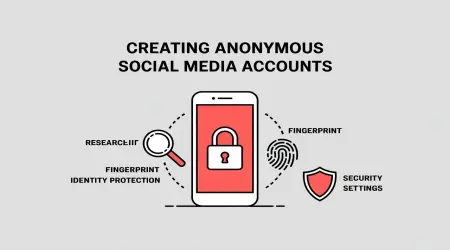
Every New Account Is a Privacy Choice
Think about how many online accounts you've created over the years.
Most people have accounts for shopping sites, streaming services, social networks, newsletters, mobile apps, gaming platforms, productivity tools, and countless other services. Some are used daily. Others may have been forgotten long ago.
Creating an account often feels like a routine step. You enter your email address, choose a password, click "Create Account," and move on.
But behind that simple process is a privacy decision.
When you register for a service, you're choosing to place some amount of personal information into another database. Depending on the platform, this information may include your name, email address, location, preferences, browsing habits, or purchase history.
The decision isn't necessarily wrong. Many services genuinely need this information to function properly. The important point is that a privacy choice has been made, even if it didn't feel like one at the time.
A useful habit is asking a simple question before creating a new account: "Will I actually use this service enough to justify sharing my information?"
That small pause can lead to more intentional decisions.
Clicking "Accept" Without Reading
Perhaps one of the most common privacy decisions happens in a matter of seconds.
You're visiting a website and a banner appears asking you to accept cookies or agree to terms and conditions. Without thinking much about it, you click "Accept" and continue browsing.
Almost everyone does it.
The internet moves quickly, and most people don't want to interrupt their experience by reading pages of legal language.
However, these agreements often determine how information is collected, stored, shared, and analyzed.
Many websites use cookies for legitimate purposes such as remembering preferences and improving user experiences. Others use them for advertising, analytics, or user tracking.
The challenge is not that people make the wrong decision. The challenge is that many don't realize a decision is being made at all.
Over time, hundreds of these small interactions can contribute to a surprisingly detailed picture of a person's online behavior.
Awareness doesn't require reading every legal document word for word. It simply means recognizing that convenience-based clicks often have privacy implications.
Sharing Information for Convenience
Convenience is one of the strongest forces shaping modern digital behavior.
Consider how often apps request access to various features on your phone.
A weather app may ask for location access. A photo editing app may request access to your image library. A social media app might ask for contacts, camera access, microphone permissions, and location services.
Sometimes these permissions make perfect sense. Other times, they may exceed what's necessary for the app's core function.
Because we're eager to start using the service, it's common to approve requests without much thought.
This creates an interesting pattern. We rarely wake up intending to share more personal information. Instead, we gradually do so through dozens of convenience-driven choices.
The process feels harmless because each request seems small. Yet collectively, these permissions can reveal a substantial amount of information about daily habits, interests, routines, and relationships.
The next time an app requests access to something, it's worth asking whether the permission is essential or simply convenient.
That small moment of reflection can make a meaningful difference.
Your Email Address Is More Valuable Than You Think
Many people treat their email address as a basic piece of information.
After all, websites ask for it constantly. It becomes easy to view email addresses as something that can be shared freely.
In reality, your email address is often the gateway to your digital identity.
It connects online accounts, receives password reset links, stores important communications, and frequently serves as the primary identifier across multiple services.
Every time you provide your email address, you're making a privacy decision.
This doesn't mean you should refuse every request. Rather, it's helpful to recognize the value of the information being shared.
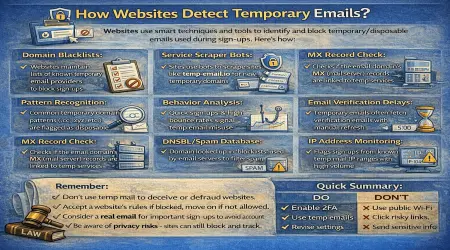
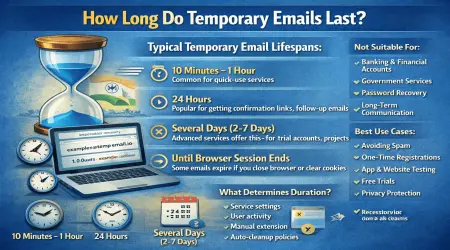
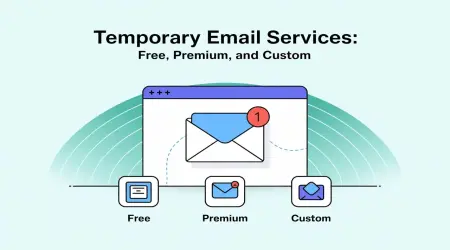
Some users maintain separate email accounts for different purposes. Others use email aliases or temporary email addresses when exploring unfamiliar services. These approaches help create boundaries between various parts of their digital lives.
The broader lesson is simple: information that feels ordinary can still be important.
Treating your email address thoughtfully can reduce spam, improve organization, and strengthen privacy over time.
The Privacy Choices Hidden in Social Media
Social media platforms provide another example of privacy decisions that often happen automatically.
When posting a photo, commenting on a discussion, joining a group, or sharing personal updates, most people are focused on communication rather than privacy.
Yet every post contributes to a digital record.
A vacation photo may reveal travel habits. A fitness update may indicate daily routines. A celebration picture may reveal relationships, locations, or milestones.
None of these actions are necessarily problematic. Sharing experiences is part of what makes social platforms enjoyable.
The important point is that information accumulates over time.
A single post may reveal very little. Years of posts can reveal far more than many users realize.
This is why privacy isn't only about protecting secrets. It's also about managing context.
Being mindful of what we share doesn't require abandoning social media. It simply means recognizing that online information often remains accessible longer than we expect.
Small Decisions Create Your Digital Footprint
One of the biggest misconceptions about privacy is the belief that only major actions matter.
In reality, privacy is often shaped by small, repeated decisions.
The app you install.
The account you create.
The permission you approve.
The survey you complete.
The newsletter you subscribe to.
The location data you share.
The website you trust.
Each decision may seem insignificant by itself. Together, they form your digital footprint.
This perspective can actually be empowering.
Many people feel overwhelmed when thinking about online privacy because they imagine it requires drastic changes or advanced technical knowledge. In reality, meaningful improvements often come from simple awareness.
Small choices made consistently can have a significant impact over time.
Just as healthy habits improve physical well-being, mindful digital habits can strengthen privacy without dramatically changing how you use technology.
final thoughts
Privacy isn't something that only exists in security settings or legal agreements. It's woven into everyday digital life.
From creating accounts and sharing email addresses to accepting permissions and using social media, we make privacy decisions constantly. The surprising part is that many of these choices happen so naturally that we barely notice them.
The good news is that improving privacy doesn't require perfection. It doesn't mean avoiding technology or becoming suspicious of every online service. Instead, it starts with awareness.
By recognizing the hidden privacy decisions we make each day, we gain greater control over our digital lives. We become more intentional about what we share, who we share it with, and why.
In a world where personal information has become increasingly valuable, awareness may be one of the most powerful privacy tools available.