The Rise of Disposable Digital Identities
The internet was once a place where most people used a single online identity for almost everything. You had one email address, one username, and maybe a handful of social media accounts that represented who you were online. Over time, however, the digital world became far more complex. Every app wants your information. Every website asks you to create an account. Every online service seems eager to collect data about your habits, preferences, and behavior.
As a result, many people have started looking for ways to regain control over their online privacy. One of the most interesting developments in this area is the growing use of disposable digital identities.
At first glance, the idea might sound strange. Why would someone want a temporary online identity instead of a permanent one? The answer becomes clear when you consider how much personal information is shared online every day. From shopping websites and newsletters to online forums and mobile apps, users are constantly being asked to reveal details about themselves.
Disposable digital identities offer a different approach. Instead of using the same online profile everywhere, people can create temporary identities for specific purposes. These identities may include temporary email addresses, alternative usernames, virtual phone numbers, or even entire digital personas designed for short-term use.
What started as a niche privacy practice is gradually becoming more mainstream. As concerns about data tracking, online security, spam, and identity theft continue to grow, disposable digital identities are emerging as a practical solution for everyday internet users.
In this article, we'll explore what disposable digital identities are, why they are becoming popular, their benefits and risks, and what their rise means for the future of the internet.
What Are Disposable Digital Identities?
A disposable digital identity is a temporary online identity that a person creates for a specific purpose and discards when it is no longer needed.
Think about how you might use a paper coffee cup. You use it once, enjoy your drink, and throw it away afterward. Disposable digital identities work in a somewhat similar way. They are created to serve a particular need without becoming part of your long-term digital footprint.
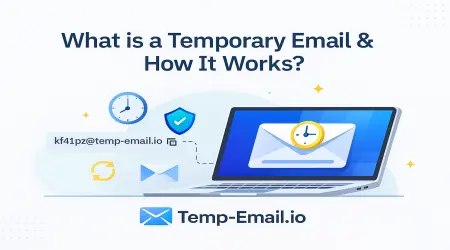
For example, imagine you want to download a free ebook from a website, but the site requires an email address. Instead of providing your primary email, you use a temporary email account. The website can send the download link, but your main inbox remains protected from future marketing emails.
The concept extends beyond email addresses. Today, disposable digital identities can include:
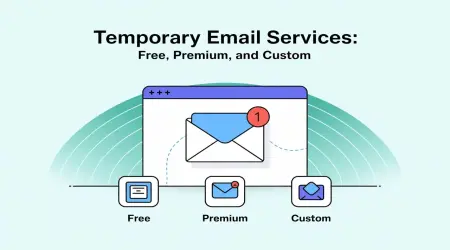
- Temporary email accounts
- Virtual phone numbers
- Alternate usernames
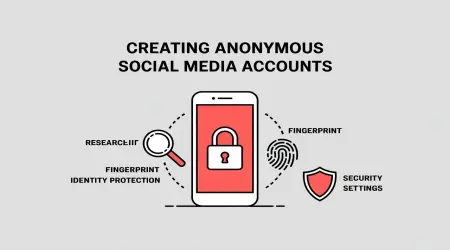
- One-time social media profiles
- Anonymous browsing sessions
- Temporary payment credentials
Many internet users already practice some form of digital identity separation without realizing it. Someone might use LinkedIn for professional networking, Instagram for personal sharing, and an anonymous username on a gaming platform. Disposable digital identities take this idea a step further by making identities temporary and purpose-driven.
The underlying goal is simple: limit unnecessary exposure of personal information while maintaining flexibility online.
Why Disposable Digital Identities Are Becoming More Popular
Several powerful trends are driving the rise of disposable digital identities.
The first and perhaps most obvious reason is privacy. People are becoming increasingly aware of how much personal information companies collect. Every click, search, purchase, and interaction can contribute to a detailed profile of who you are.
A few years ago, many internet users paid little attention to these practices. Today, awareness is much higher. News stories about data breaches, unauthorized tracking, and information misuse have made people more cautious about sharing personal details online.
Another major factor is spam fatigue.
Most people know the feeling. You sign up for one website, and suddenly your inbox is flooded with promotional emails. Weeks later, you're still unsubscribing from messages you never wanted in the first place.
Disposable identities provide a convenient solution. Instead of risking your primary email account, you can use a temporary identity that can easily be abandoned if unwanted communications start arriving.
Security concerns also play a significant role.
Cybercriminals are constantly searching for personal information that can be used for fraud or identity theft. The more places your real information appears online, the greater your potential exposure. By using disposable identities, users reduce the amount of valuable personal data available to attackers.
There's also a cultural shift happening. Younger internet users often view online identity as fluid rather than fixed. They are comfortable managing multiple digital personas across different platforms and contexts. For many of them, creating temporary accounts feels completely natural.
The combination of privacy awareness, security concerns, and changing online habits has created the perfect environment for disposable digital identities to gain traction.
The Benefits of Using Disposable Digital Identities
The growing popularity of disposable digital identities is largely driven by the practical advantages they offer.
One of the biggest benefits is improved privacy. When you use separate identities for different online activities, companies have a harder time connecting all your actions into a single profile. This can reduce tracking and limit the amount of information collected about you.
Another major advantage is better control over personal data.
Imagine signing up for ten different websites using your primary email address. If one of those companies experiences a data breach, your information could end up exposed. With disposable identities, the damage can often be contained because the compromised identity is not linked to your broader digital life.
Convenience is another overlooked benefit.
Many people hesitate to register for new services because they don't want additional marketing emails or account management responsibilities. Disposable identities make experimentation easier. Users can test a service, participate in a discussion, or access content without making a long-term commitment.
Freelancers, researchers, journalists, and cybersecurity professionals often find disposable identities particularly useful. They may need to investigate websites, evaluate services, or participate in online communities without revealing their primary identity.
There is also a psychological benefit.
Many people feel more comfortable exploring ideas, joining discussions, or learning about unfamiliar topics when they know their activity is not permanently tied to their real-world identity. This freedom can encourage curiosity and participation while reducing concerns about judgment or profiling.
In a digital environment where information is often collected indefinitely, having the ability to create temporary identities provides a refreshing sense of control.
The Risks and Challenges Behind Temporary Identities
Despite their advantages, disposable digital identities are not a perfect solution.
One challenge is trust.
Online communities often rely on persistent identities to build credibility. If users frequently switch identities, it can become harder to establish trust and accountability. This is especially important in professional environments, marketplaces, and collaborative communities.
There is also the risk of misuse.
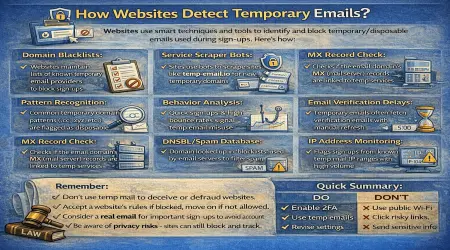
While most people use disposable identities for legitimate privacy reasons, some individuals may use them to spread misinformation, engage in harassment, or evade platform rules. This creates challenges for websites and social networks trying to maintain healthy online environments.
Another issue involves account recovery.
Many online services rely on permanent email addresses and phone numbers to verify ownership. If a disposable identity is lost or deleted, recovering access to an account can become difficult or impossible.
Users must also understand that disposable identities do not automatically guarantee anonymity.
Many factors can still reveal information about an individual, including device fingerprints, browser settings, IP addresses, behavioral patterns, and other tracking technologies. A temporary email address alone does not make someone invisible online.
There is also a learning curve. Managing multiple identities requires organization. Without careful tracking, users may forget login details, lose important information, or accidentally mix personal and temporary accounts.
The key is understanding both the strengths and limitations of disposable digital identities rather than viewing them as a complete privacy solution.
How Disposable Digital Identities Could Shape the Future of the Internet
The rise of disposable digital identities reflects a broader shift in how people think about online privacy and control.
For many years, the internet evolved around the idea of persistent identity. Platforms encouraged users to create detailed profiles, remain logged in, and share as much information as possible. This model helped companies personalize services and target advertising more effectively.
However, public attitudes are changing.
Many users now want greater control over when, where, and how their information is shared. They are increasingly selective about which platforms deserve access to personal data.
As a result, technology companies are beginning to explore new approaches. Privacy-focused login systems, temporary account features, and identity management tools are becoming more common. Some services already allow users to hide their real email addresses behind relay systems that generate unique forwarding addresses.
In the future, digital identity may become far more flexible than it is today.
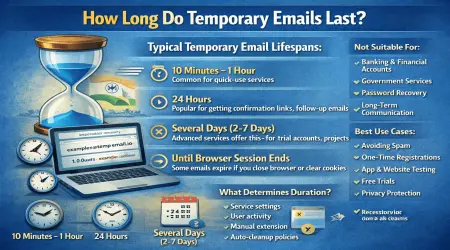
Instead of maintaining one permanent online identity, users may manage a collection of specialized identities designed for shopping, professional networking, entertainment, learning, and other activities. Some identities may exist for years, while others may last only a few hours.
Artificial intelligence could accelerate this trend as well. As automated systems become better at collecting and analyzing personal data, individuals may seek more sophisticated ways to compartmentalize their digital lives.
What we're witnessing is not simply a new privacy tool. It's part of a larger evolution in how people interact with the online world.
The internet is gradually moving away from the assumption that everyone should have a single, permanent digital identity.
Conclusion
The rise of disposable digital identities highlights a growing desire for privacy, flexibility, and control in an increasingly connected world. As more aspects of our lives move online, people are becoming more conscious of the information they share and the digital footprints they leave behind.
Temporary email addresses, virtual phone numbers, alternate usernames, and other disposable identity tools offer practical ways to reduce exposure, limit spam, and improve online security. At the same time, they come with challenges related to trust, accountability, and account management.
Like many technological trends, disposable digital identities are neither entirely good nor entirely bad. They are simply a response to the realities of modern internet use. As users seek better ways to protect their personal information, these temporary identities are likely to become an increasingly common part of everyday online life.
The future of digital identity may not revolve around one permanent online persona. Instead, it may involve a collection of identities that people create, use, and retire as needed.
What do you think about disposable digital identities? Have you ever used a temporary email address, virtual number, or alternate online profile? Share your thoughts and experiences in the comments, and if you found this article helpful, consider sharing it with others who are interested in online privacy and digital security.