
What Is Mail Drop? Complete Guide to Temporary Email & Privacy
In today’s digital world, privacy is becoming more important than ever. Every time you sign up for a website, download a resource, or test a new service, you’re often required to provide an email address. This is where the concept of a Mail Drop comes in.
A mail drop is a powerful tool that helps users protect their real email address, reduce spam, and maintain anonymity online. Whether you are a casual internet user, developer, or marketer, understanding how mail drop works can significantly improve your online experience.
In this guide, we’ll break down everything you need to know about mail drop—what it is, how it works, its types, benefits, and how platforms like temp-email.io use it.
📬 What Is Mail Drop?
A mail drop is a system that allows users to receive emails without using their real email address. It acts as an intermediate or temporary email inbox.
👉 In simple terms:
Mail Drop = Disposable / Temporary Email Address
These email addresses are usually:
- Temporary
- Anonymous
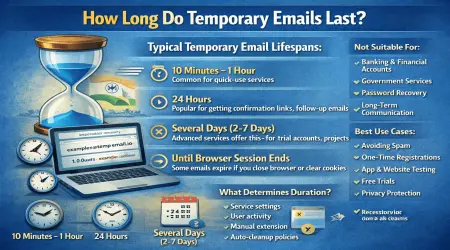
- Auto-deleted after some time
- No signup required
For example, services like maildrop provide throwaway email addresses that you can use instead of your personal email.
🔍 Different Meanings of Mail Drop
The term “mail drop” can have multiple meanings depending on the context:
1. Temporary Email (Most Common)
This is the most popular meaning used on sites like temp-email.io.
- Disposable email address
- Used for signups and verification
- Protects your real inbox
➡️ Example:
You create user123@temp-email.io, use it once, and forget it.
2. Email Marketing Mail Drop
In marketing, a mail drop refers to sending emails through a third-party audience.
- Used by advertisers
- Sent via external email lists
- Helps reach new users
➡️ A “mail drop campaign” is basically a bulk email sent via another platform.
3. Physical Mail Drop (Address Service)
In logistics, a mail drop can mean a virtual mailing address.
- Used for receiving physical mail
- Forwarded to your real address
- Helps maintain privacy
➡️ Businesses often use this for anonymity and mail handling.
4. Apple Mail Drop (File Sharing Feature)
Apple also uses the term differently.
- Used to send large files via email
- Uploads files to iCloud
- Generates download links
➡️ Supports files up to 5GB.
⚙️ How Mail Drop Works
Here’s how a typical temporary mail drop system works:
Step 1: Generate Email
- You visit a temp email site
- A random email address is created instantly
Step 2: Use It Anywhere
- Enter the email for signup or verification
Step 3: Receive Emails
- Emails appear in the temporary inbox
Step 4: Auto-Delete
- Inbox expires after a short time
- Messages are permanently deleted
Some services even auto-delete inboxes in minutes, ensuring complete privacy.
🔐 Why Use Mail Drop?
1. Protect Your Privacy
Your real email stays hidden.
2. Avoid Spam
No more unwanted newsletters or ads.
3. Instant Access
No signup or password required.
4. One-Time Use
Perfect for temporary registrations.
5. Safe Testing
Developers can test email systems easily.
🚀 Use Cases of Mail Drop
🔹 Signing Up for Websites
Avoid spam when registering on unknown sites.
🔹 Downloading Free Resources
Get access without exposing your real email.
🔹 Testing Applications
Developers use mail drop for testing email flows.
🔹 Online Shopping Trials
Use it for coupons or discounts safely.
🔹 Bypassing Newsletter Spam
Sign up once, ignore forever.
⚠️ Limitations of Mail Drop
While useful, mail drop isn’t perfect.
❌ Not Secure
Many services are public inboxes.
❌ No Password Protection
Anyone with the email name can access it.
❌ Blocked by Websites
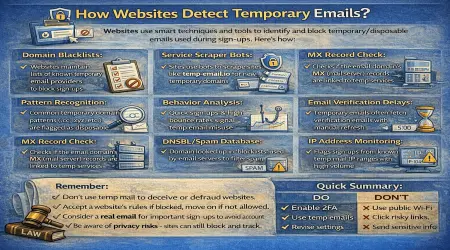
Some platforms detect and block temp emails.
❌ No Recovery
Once deleted, emails are gone forever.
🆚 Mail Drop vs Real Email
| Feature | Mail Drop | Real Email |
|---|---|---|
| Privacy | High | Medium |
| Security | Low | High |
| Spam Protection | Excellent | Poor |
| Account Recovery | No | Yes |
| Long-Term Use | No | Yes |
🌐 How temp-email.io Uses Mail Drop
Platforms like temp-email.io implement mail drop technology to provide:
- Instant email generation
- No login required
- Auto-expiring inboxes
- Real-time email receiving
This makes it ideal for:
- Privacy-focused users
- Developers
- Digital marketers
🔥 Pro Tips for Using Mail Drop
- ✅ Use it only for non-important accounts
- ✅ Avoid using for banking or personal data
- ✅ Copy verification codes quickly (emails may expire)
- ✅ Combine with VPN for extra privacy
📈 SEO Benefits of “Mail Drop” Content
If you’re running a site like temp-email.io, targeting this keyword helps you rank for:
- what is mail drop
- mail drop email
- temporary mail drop
- disposable email services
- maildrop alternative
This keyword has strong intent from:
- privacy-conscious users
- developers
- marketers
🧠 Final Thoughts
A mail drop is a simple yet powerful solution for protecting your digital identity. Whether you’re trying to avoid spam, stay anonymous, or test applications, it provides a fast and effective way to manage email interactions.
However, it should be used wisely—never for sensitive or long-term communication.
👉 If used correctly, mail drop can completely change how you interact with the internet.
✅ Conclusion
To summarize:
- Mail drop = temporary or intermediary email system
- Used for privacy, testing, and spam protection
- Available in multiple forms (temp email, marketing, physical, Apple feature)
- Best used for short-term, low-risk tasks
🔗 Ready to Try?
👉 Use temp-email.io to generate your free mail drop email instantly and protect your inbox today.